International Research Experiences for Students in Raptor Research
Boise State University’s International Research Experiences for Students – Raptor Research (IRES-RR) program provides paid international research experiences in Spain for undergraduate and/or graduate students. The National Science Foundation funds IRES sites such as IRES-RR with the overarching, long-term goal of enhancing U.S. leadership in science, engineering research, and education as well as strengthening economic competitiveness through training the next generation of research leaders.
All on-time applications received through ETAP are considered.
Applications Closed
Applications are now closed for 2025 IRES-RR participation.
Scroll down for detailed information about IRES-Raptor Research, applications, and FAQs.
Location
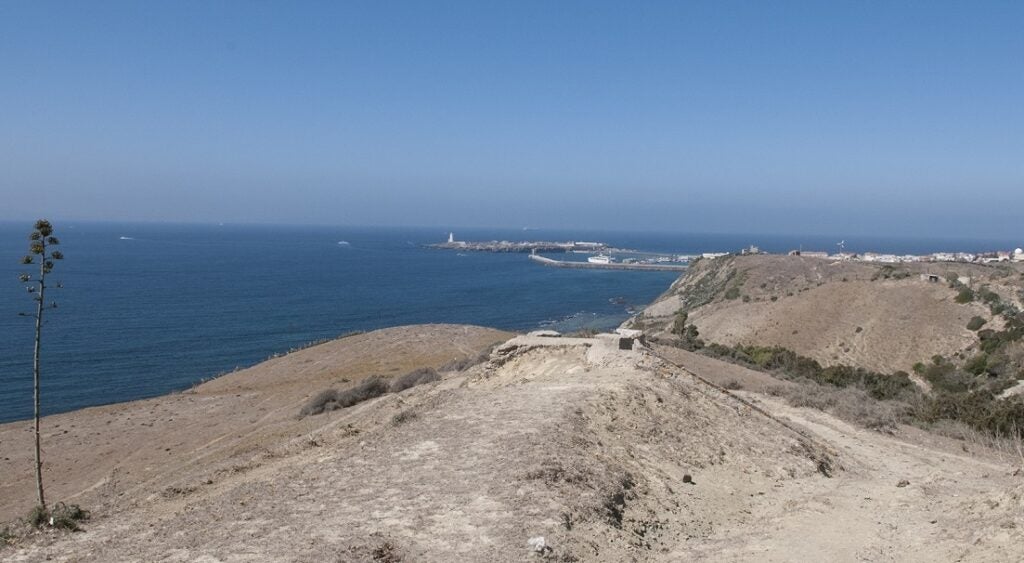
IRES-RR pairs Boise State University’s expertise in raptor biology with globally recognized international partner, Fundación Migres in Tarifa, Spain, in collaborative research addressing the effects of a changing climate, oceanographic conditions, wind dynamics, and renewable energy on migratory raptors. The Migres research campus, Centro Internacional de Migración de Aves (CIMA), is uniquely situated in the world’s most important flyway for raptors and other large soaring birds, on the Iberian Peninsula between Europe and Africa at the Strait of Gibraltar. CIMA draws students and science professionals from across the globe with a focus on intercontinental connections of migrating birds.
Research Focus
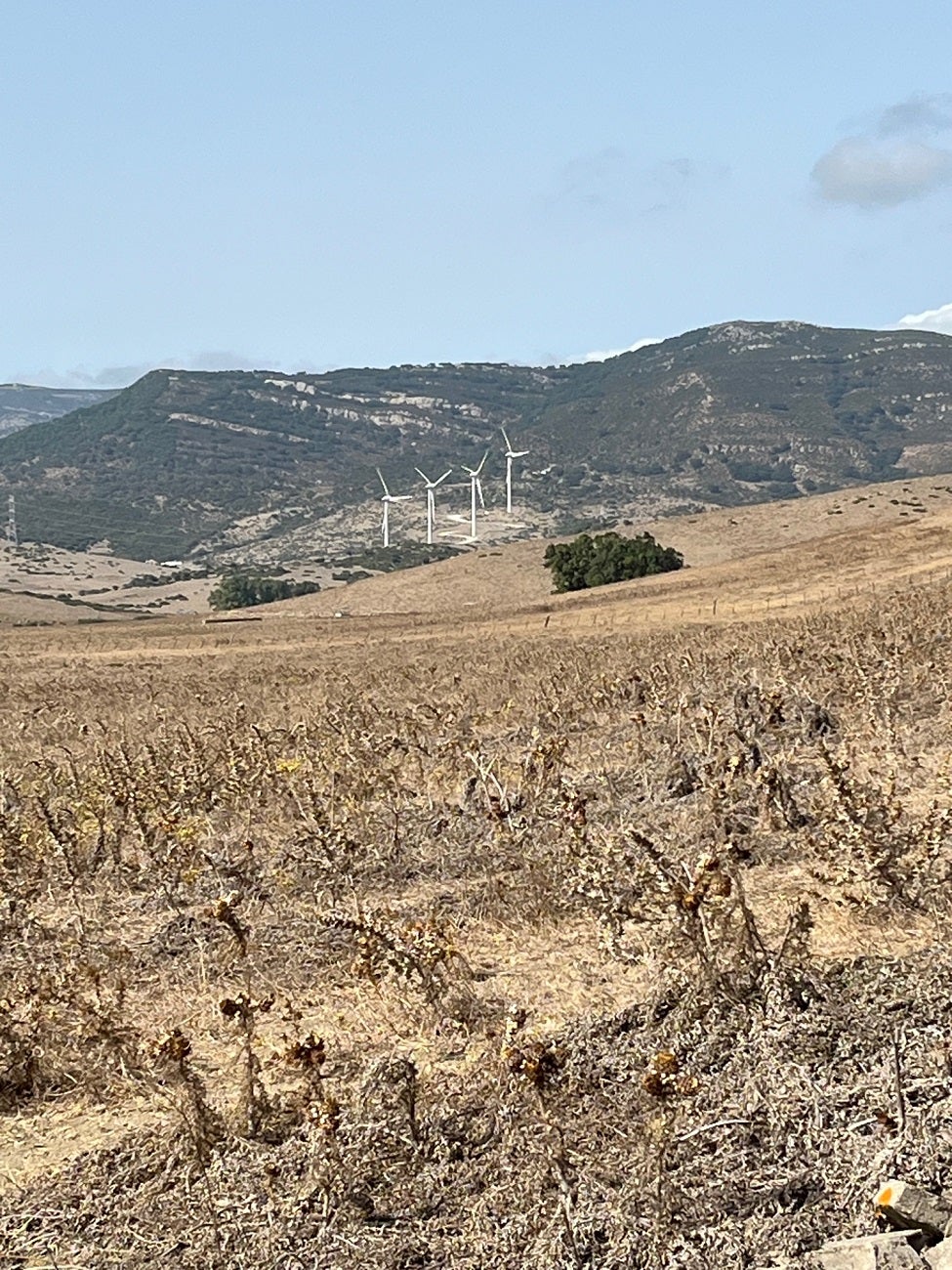
IRES-RR collaborative research focuses on changing climatic, ocean temperatures, and wind patterns that influence intercontinental movements of migratory birds. The Strait of Gibraltar is recognized as an obligatory crossing point for the majority of soaring birds’ winter migration from Western Europe to Africa. As the climate continues to change, resulting in warmer air temperatures, changing ocean currents, and altered ocean salinity, winds in southern Spain that are less favorable for migration are forecasted to increase and significantly reduce the number of days during the migration period favorable for crossing. Simultaneously, renewable energies including wind have rapidly developed in the region and present well-recognized collision risks to birds. IRES-RR research focuses on how these climate and energy factors interact to affect raptors and other large soaring birds in the region.
The IRES-RR Experience
Through funding from the National Science Foundation and support from the Boise State University Raptor Research Center, the Boise State University Intermountain Bird Observatory, and Fundación Migres, five undergraduate and/or graduate students are selected for participation in IRES-RR each year. Applicants must be available for the duration of all of the following components to be eligible for the program.
Spring Semester Seminar
Students participate in a spring semester seminar course (online or in-person) focused on exploring the science informing their research topics, preparing students for international travel, organizing research teams with foreign mentors, and training.
Dates during Spring 2025 are approximately 3 March through 30 April.
Summer Research Experience
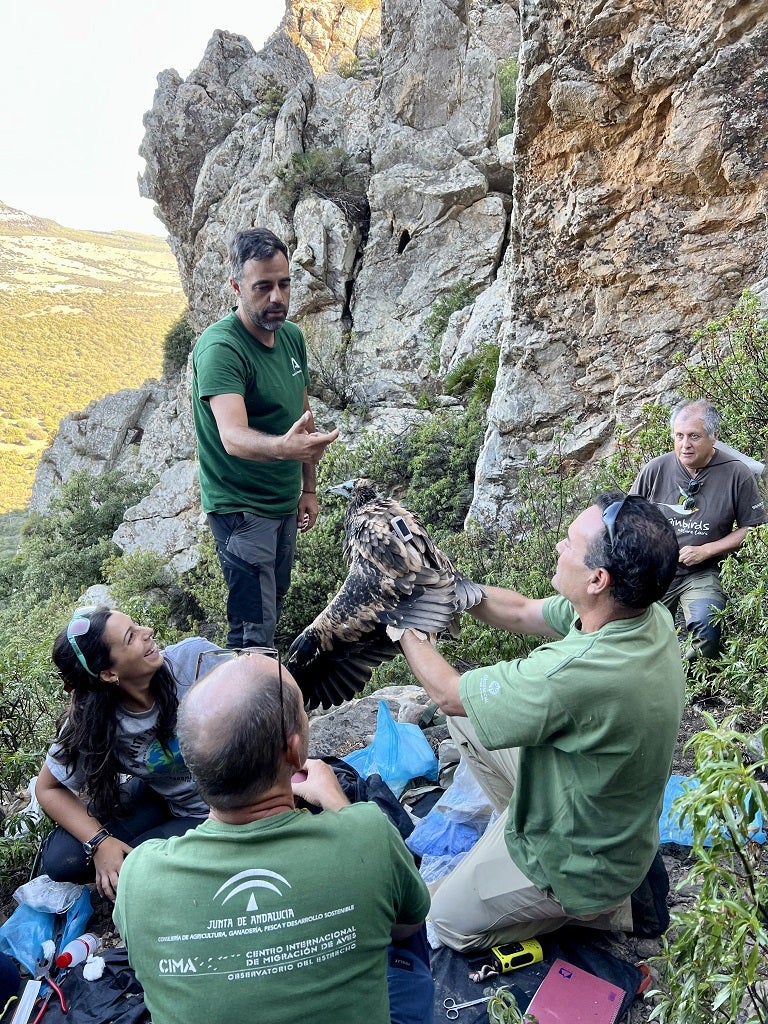
Students travel to Spain for a paid 8-week summer research experience at the Fundación Migres Centro Internacional de Migración de Aves (CIMA). There they work in collaboration with foreign CIMA mentors and peers while in regular communication with U.S. principal investigators. This research experience culminates with a mini-symposium at CIMA where students share their research results with peers, mentors, and CIMA staff before returning to the U.S.
Dates: Tentatively late June through mid-Aug. 2025
Autumn Professional Conference
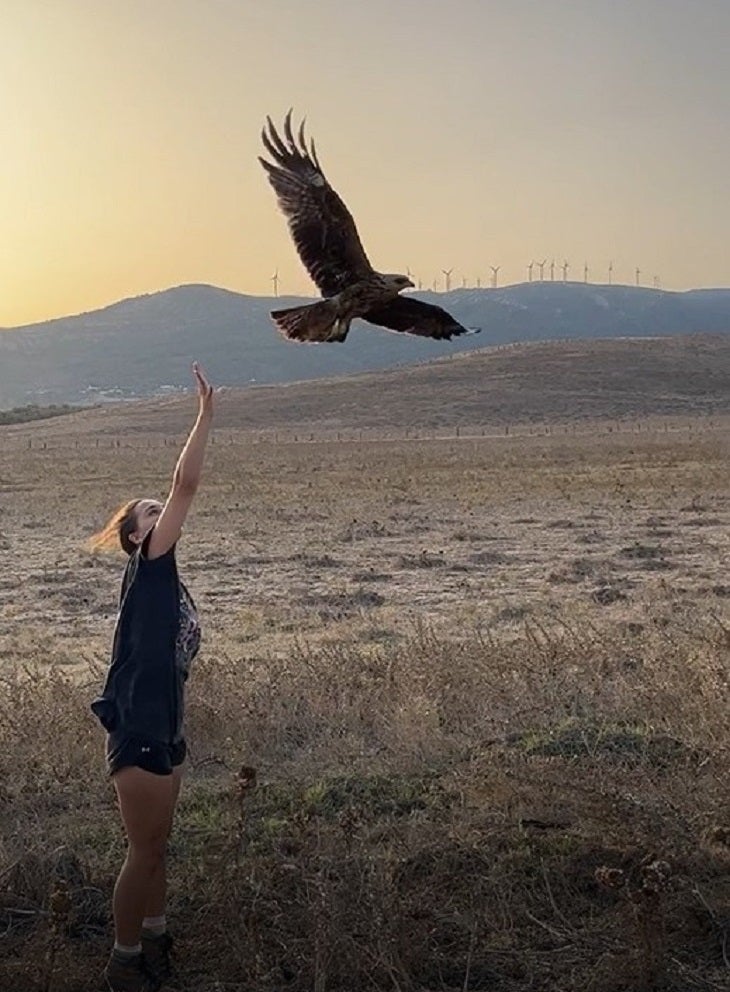
During autumn, IRES-RR students travel from their homes to the national conference of the Raptor Research Foundation to present research findings to the international scientific community.
2025 Conference: Oct. 14-18 in San Jose, Costa Rica.
Each IRES-RR Student Will Receive:
- Mentored research experiences and professional development opportunities guiding students through project development, fieldwork, and preparation for research presentations
- $4,944 stipend ($618 per week) paid during the 8-week international component
- $840 supplemental food stipend to assist with the purchase of meals while abroad
- Paid travel (airfare, baggage fees, international medical insurance, international phone plan costs, and passport/visa fees) for research in Spain, plus paid group lodging at CIMA
- Paid travel (registration, lodging, airfare, banquet ticket, and meal supplement) to the Raptor Research Foundation annual conference
Applications
Application Eligibility:
IRES-Raptor Research welcomes your application. We are especially interested in receiving applications from members of groups that are underrepresented in science, persons with disabilities, those returning from military service, and students who are eligible for Pell grants. Students ultimately interested in science careers or PhD programs will be prioritized.
Participants Must Be:
- U.S. citizens, U.S. nationals, or permanent residents of the United States
- Students (part-time or full-time) leading to graduate, baccalaureate, or associate degrees
- Willing to abide by university, foreign, and IRES program public health and safety protocols and have personal medical insurance
- Available and able to complete all program components: the prerequisite spring class, 8 weeks of full-time summer research in Spain, and presenting research findings during a fall semester conference
How to Apply:
Applications are collected through NSF’s ETAP (Education & Training Application). You will need to establish an account at ETAP, which will require: contact and demographic information, academic history and research experience, electronic copies of college transcripts and résumé, a description of your IRES-RR aspirations, and information for two academic references (names, affiliations, and contact information). Note that you must manage your reference requests and reminders through ETAP. Each reference is automatically sent a unique URL that they must use to submit their letter of recommendation through ETAP to correctly associate it with their student’s application.
Applicants are strongly encouraged to submit their applications before the deadline date and time to ensure receipt by the deadline, as the ETAP application portal will not accept submissions after the deadline. All on-time applications received through ETAP will be considered.
Applications Closed
Applications are now closed for 2025 IRES-RR participation. Please check this website again during Autumn 2025 for information about a possible 2026 program.
Letters of recommendation may be received after the application deadline since invitations from ETAP are not issued until an application is submitted. We request that references send in their letters of recommendation by one week after the applications close in December.
Finalists are typically interviewed and selected by mid-January.
Questions? Visit IRES-RR FAQs