Join a faculty-led team and grow with a project over time
Vertically Integrated Projects (VIP) give students the chance to work on faculty-led, team-based research and creative projects for academic credit. VIP teams are built for long-term work, which means students can join at different stages, contribute in meaningful ways, and grow into more advanced roles over multiple semesters. VIPs are collaborative, multidisciplinary, and designed to support both beginners and more experienced students.
At a glance
- Format: Faculty-led, team-based research and creative work for credit
- Who it is for: Students at multiple levels, including beginners
- Course levels: VIP 200, VIP 400, and VIP 500
- Credits: 1–2 credits per semester
- Prerequisites: None
- Time commitment: About 40 hours of work per credit across the semester
- How to join: Explore teams, contact the instructor or complete the interest form, request a permission number
What are Vertically Integrated Projects?
Vertically Integrated Projects (VIP) is a program, within the Undergraduate Research and Mentoring Institute that increases student access to hands-on learning with faculty mentors and interdisciplinary teams. Faculty working on long-term projects create VIP courses, and students join those teams for academic credit.
Students stay with a team over time, deepen their skills, and take on new roles as the project and their experience develop. That long-term, vertically structured model is a defining feature of VIP programs.
Learn more about VIPs
Who VIP is for
VIP is for students who want to learn by contributing to a real project with a faculty-led team. It works well for students who are new to research and want a supported way to begin, and for students with more experience who want to keep building depth, responsibility, and leadership over time.
The current Boise State VIP structure includes no prerequisites, which makes many teams accessible to students who have not done research before.
VIP may be a good fit if you want to:
- join a real project rather than work on a hypothetical assignment
- learn with and from students at different levels
- contribute to a team over more than one semester
- earn academic credit while building research, creative, technical, or communication skills
- start in a smaller role and grow into more advanced work
What students do in VIP
What students do in VIP depends on the team, the project, and the student’s level of experience. In general, students contribute to a shared long-term project and take on responsibilities that fit both the team’s needs and their own stage of development.
Students in VIP may:
- attend regular team meetings
- contribute to project tasks between meetings
- help gather, analyze, design, build, document, or communicate project work
- collaborate with peers from other disciplines
- report on progress and next steps
- take on larger responsibilities as they gain experience
How VIP works
At Boise State, each VIP project is offered as a section of VIP 200, VIP 400, or VIP 500, which allows students at different levels to participate in the same broader team while taking on roles that fit their stage and experience. Students can register for 1 or 2 credits in a semester.
Undergraduate students can register for VIP 200 for up to 4 semesters and VIP 400 for up to 6 semesters. Graduate students may register for VIP 500 for up to 6 semesters. VIP courses are set up in the course catalog to support flexibility and long-term engagement.
Credit and planning
VIP credits typically count as elective credits, though in an increasing number of cases they may also connect to research, experiential, internship, or capstone requirements. Students should talk with an advisor or department chair about how VIP may fit into their degree plan.
Why VIP works for beginners and advanced students
VIP is intentionally built for students at different stages. Beginners can join without prior experience, learn the team’s workflow, and start contributing in a supported environment. The no-prerequisite structure and multi-level course design make that possible.
More experienced students can stay with a project longer, take on more complex responsibilities, and help newer students learn how the team works. This vertical structure is one of the strongest features of the VIP model because it supports both continuity of the project and growth for students over time.
Student Voices
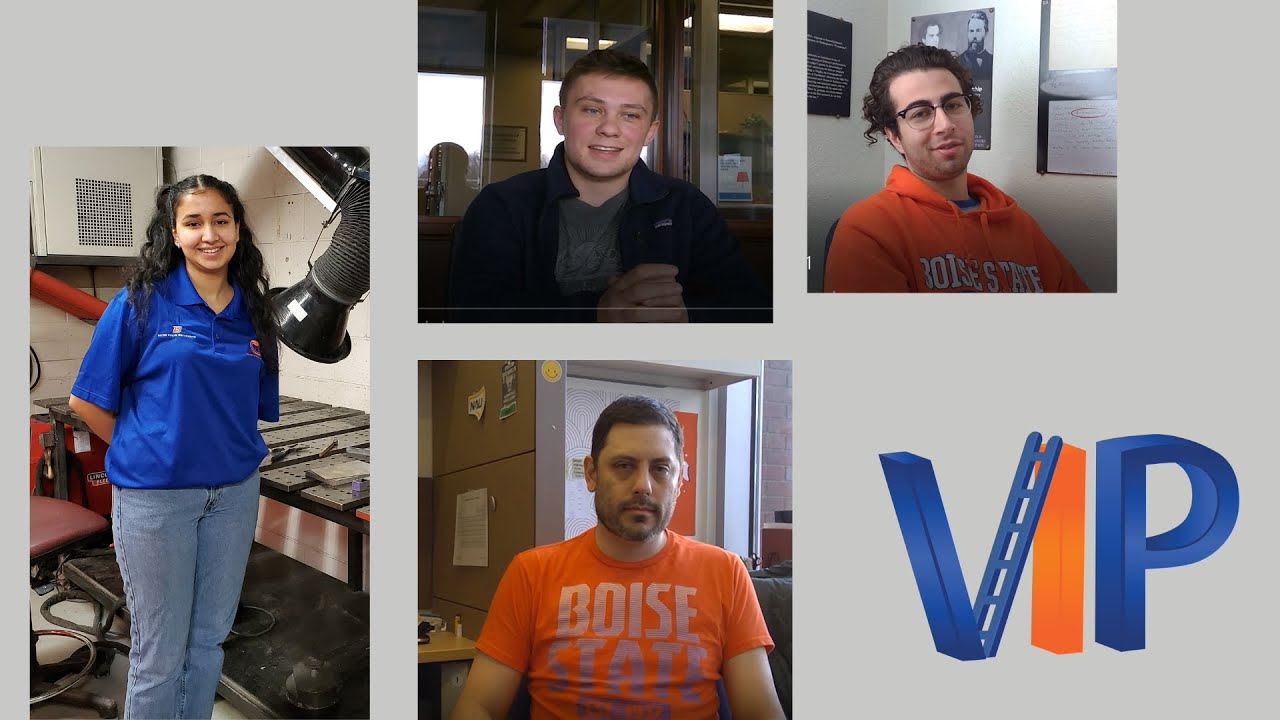
Hear VIP students talk about their experiences.