Lucky Peak Station

Intermountain Bird Observatory’s Lucky Peak bird migration research station is located on the Boise Ridge, just outside Boise, Idaho. It is our longest-running bird banding and outreach station (operating since 1993!). This project is made possible by donations from visitors like you. Please donate today.

Visit Lucky Peak

Who can visit

A visit to Lucky Peak will be the highlight of your fall!

Our station is located on public land (the Boise River Wildlife Management Area) and is open to all.

If you are a small group (1-2 vehicles) you do not need to schedule your visit. Drop in any time!

Larger groups, read more about scheduling your visit here.

When to visit

Our Lucky Peak station is open to visitors daily during our fall migration season (July-October). At the height of migration we are a 24/7 research station!

All of our banding operations take place weather allowing. We may shut down our stations for high winds, rain, snow, or low air quality. Please check the forecast before visiting.

As of 7/14/2026 our station opening is delayed due to the Claremont fire. Please check our events page and social media for updates.

When to Visit Songbird Banding

When: Mornings, mid July to mid October

Songbird Banding at Lucky Peak is open every morning during migration between July 16 – October 15 weather allowing.

You may arrive any time between 40 minutes after sunrise and 5 hours after sunrise, but the action is usually best in the first half of the morning. Plan to stay at least 1 hour to have the best experience.

Check sunrise times online before your visit.
Want to see our observations from past seasons? Visit our eBird hotspot page.

When to Visit Hawkwatch and Raptor Banding

When: Afternoons, late August to late October

Diurnal Raptor activities begin August 25 and run through the end of October from 10am to roughly 6pm. September and the first week of October are the best times to visit for high numbers and species diversity. Visit our HMANA Site Profile to see sighting information from past seasons.

When to Visit Owl Banding

When: Sunset to Sunrise, September and October

We are open to visitors beginning September 1st and continue until October 28th, but mid-September to mid-October are best.

A small Flammulated owl held by an owl bander in a photographer's grip on a black background
A Flammulated Owl after banding. Photo Credit: Phoebe Honscheid

For Flammulated Owls plan on visiting in early/mid September (to maximize your chances).

Northern Saw-whet Owls peak from mid-September to mid-October.

Our first net run is about an hour after sunset, and then every 45-90 minutes after that.

Plan to arrive before sunset to get acquainted with the terrain and introduce yourself to the crews. Please bring a headlamp or flashlight.

Visitor camping at our site is closed indefinitely following the 2024 Valley Fire. Most visitors to the owl project arrive before sunset and depart sometime around midnight. Before visiting, ensure that you are comfortable driving our rough dirt road in the dark.

We have occasional owl banding opportunities at IBO’s Diane Moore Nature Center located along the Boise River. Please check our Events Page and follow us on Eventbrite for more information about these more accessible opportunities.

How to get there

Our Lucky Peak station is located at the top of a single-lane dirt road, Highland Valley Road, on the Boise Ridge (above Lucky Peak reservoir).

Vehicle Requirements

Four-wheel or All-wheel-drive high-clearance vehicles required. (SUVs, Subaru Outbacks, or similar vehicles with approx. 8″ of ground clearance). The road to Lucky Peak is a steep, winding dirt road with a *small* parking area at the top. As of July 2026 the road is in moderate condition. Confident and experienced drivers recommended.

Do not drive the road during rain or within 1 hour of rain showers.

Highland Valley Road is a part of the Boise River Wildlife Management Area. These public lands and roadways are not maintained by IBO. Visitors assume all risks associated with accessing our Lucky Peak station and understand that IBO staff do not have the ability to tow/pull your vehicle out of ruts.

Driving Directions

From the intersection of Hwy 21 and I-84:, take Hwy 21 North (towards Idaho City).

About 3 miles past the top of Lucky Peak Dam, follow the signs for the Archery Range and turn left onto Highland Valley Road (about 3/4 mile before you get to The Hilltop Cafe). This is a rough, minimally maintained dirt road.

Follow Highland Valley Road for a total of 6 miles to our site in the trees just below the radio tower.

When our station is open for the fall, there are “Bird Observatory” signs at every important intersection. As you approach the peak, there is a gate. Park in the flat area to the right (beside the outhouse) and walk thru the gate and down the road for about 200 meters to our site in the trees.

View Map Directions
Hiking

You can hike or bike to Lucky Peak from the Adelmann Mine Trailhead, from Highway 21, Homestead Trail, or via other Ridge to Rivers trail system routes.

Accessibility

The ground around the banding station is fairly level and sandy, so is accessible to many walkers and wheelchairs with assistance. Hawk watch is not fully accessible.

Our station is behind a locked gate that can be opened to allow vehicle or van access for those who cannot walk long distances.

We have a pit toilet and/or portable toilets (varies by season). These are not ADA accessible.

If you have access needs, please email us ahead of time to schedule your visit so that we can answer questions and be ready to assist upon your arrival at the site. If not pre-arranged, one member of your party may walk to camp and request assistance from one of the crew members when you arrive.

What to Bring

Bring water, snacks, necessary meals, and appropriate outdoor clothing. Don’t forget your sun protection, binoculars, cameras, and field guides. Bring a camp chair if you would like to sit down during your visit. Mornings can be below freezing: wear layers and bring jackets, gloves, and hats.

Closed-toe shoes and long pants are important, and hiking poles can be useful for walking on trails.
Be sure to check the weather for Lucky Peak before your visit.

Our interns appreciate treats! We love fresh snacks, eggs, or backyard garden veggies.

Please do NOT bring pets to the banding area.

No smoking.

What to expect

Visitors can observe as our team of biologists capture, measure, band, and release wild birds. You will have the chance to see the birds up close and learn from our team about bird research and conservation.

For songbird and owl banding, you can spend time at our yurt, where our team measures, bands, and releases birds. As time allows, our team will answer questions about the birds they are banding and show you details of the birds up close. Every 30-60 minutes the team will go check the nets for birds. On days that are not too busy, visitors may follow our scientists to see the nets and watch them extract the birds. This is at the discretion of our team.

For diurnal raptors, visitors may spend time at the top of the peak near the radio tower where our hawk watchers will be counting raptors as they fly overhead. Please stay behind the watchers so that they have a clear view of the sky. If the migration traffic isn’t too busy you can chat with our hawk watchers about their work and learn more about raptor ID. If there are many raptors passing overhead, please wait to ask questions and allow the team to talk with each other about the data they are collecting.

The raptor trapping blind is located on the hill below hawk watch. Visitors are not permitted inside the blind (it is too small and crowded to fit extra people). You can observe the hawk trapping process from hawk watch (bring your binoculars). If they capture a raptor, they will bring it up to hawk watch for you to see up-close before it is released.

Bird banding is unpredictable. We cannot promise that we will catch any birds. Depending on how many birds we catch, visitors may be able to help release the birds by holding out their hand as a release platform.

Lucky Peak is a great place to go birding. You may bird along the main road as well as the trail connecting to Adelmann mine. Please avoid the short dead-end side trails where our nets and research equipment are located.


A green t-shirt with birds in-flight, a drawing of Lucky Peak, and the shape of Idaho.
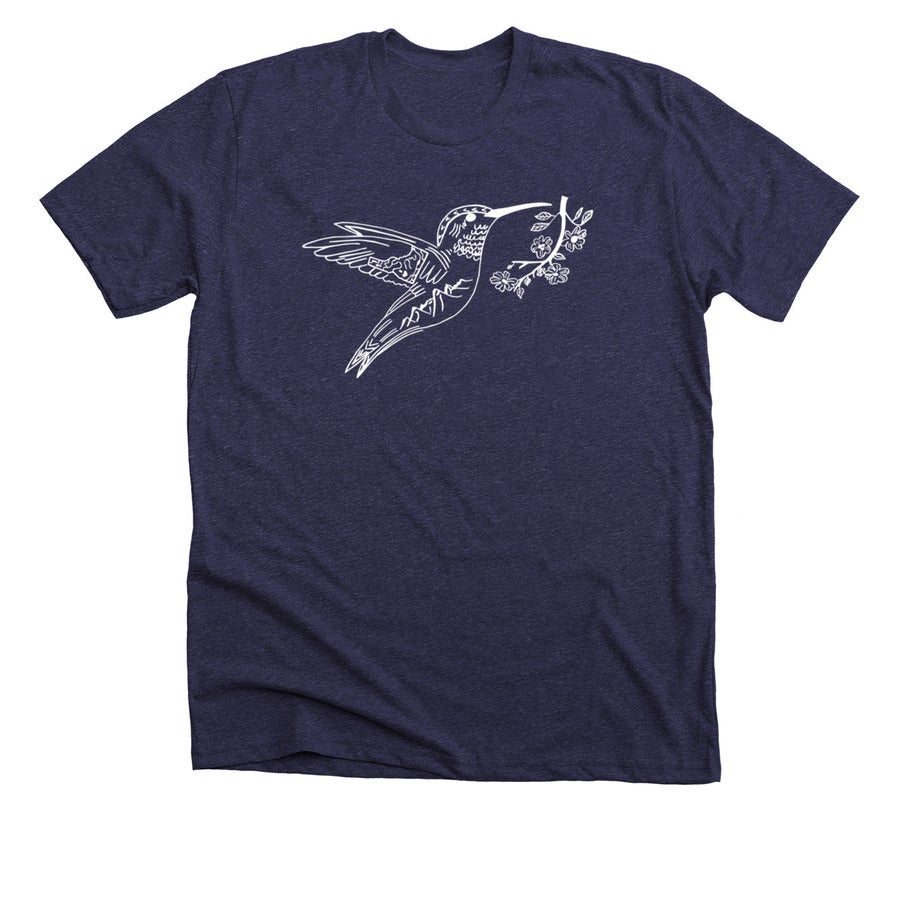
Our Lucky Peak t-shirt by talented artist Emma Regnier! These shirts are available for sale in the IBO bonfire shop.

Hats and Shirts

Visit our Bonfire Store to order a t-shirt or sweatshirt today.

We have hats available at our office in Boise. Email us IBO@BoiseState.edu if you’d like a hat.


After the Valley Fire

Boise foothills view and Lucky Peak blackened by wildfire, radio tower amid billowing smoke
View from the Boise foothills shows the charred peak and surrounding landscape. Photo Credit: Erika Hush

The October 2024 Valley Fire burned significant portions of our Lucky Peak research station, including many of our crew camping pads.

In Fall 2025 we re-opened our station to visitors, but we no longer allow overnight visitor camping.


Get the Latest

Lucky Peak on schedule to open for Fall 2025
Valley Fire Updates
Volunteer Opportunities at IBO’s Lucky Peak Camp
Tweet Dreams: A Night of Learning and Fun at Lucky Peak
Get in touch!

Questions?

Back To Top